Decoding Encryption Layers Behind Bonus Triggers in Portable Table Game Sessions
Jonas Patterson · Sep 17, 2026
Decoding Encryption Layers Behind Bonus Triggers in Portable Table Game Sessions
Portable table game sessions on mobile platforms rely on multiple encryption layers to protect bonus trigger mechanisms during live blackjack and roulette play, and observers note that these systems combine transport layer security with application-level data protection to maintain integrity across sessions.
Core Encryption Standards in Mobile Gaming Environments
Research from cryptographic institutions shows that TLS 1.3 protocols form the primary transport layer for data exchanged between mobile devices and gaming servers, while AES-256 encryption handles sensitive game state information including bonus activation flags; data indicates that these standards prevent interception of trigger events that determine random bonus awards in portable environments.
Gaming laboratories such as those certified under international testing frameworks verify that random number generators feeding bonus triggers undergo continuous encryption before transmission, and figures from September 2026 regulatory summaries reveal that mobile platforms processed over 2.4 billion encrypted transactions monthly in key markets without reported integrity breaches.
Application Layer Protections for Bonus Mechanisms
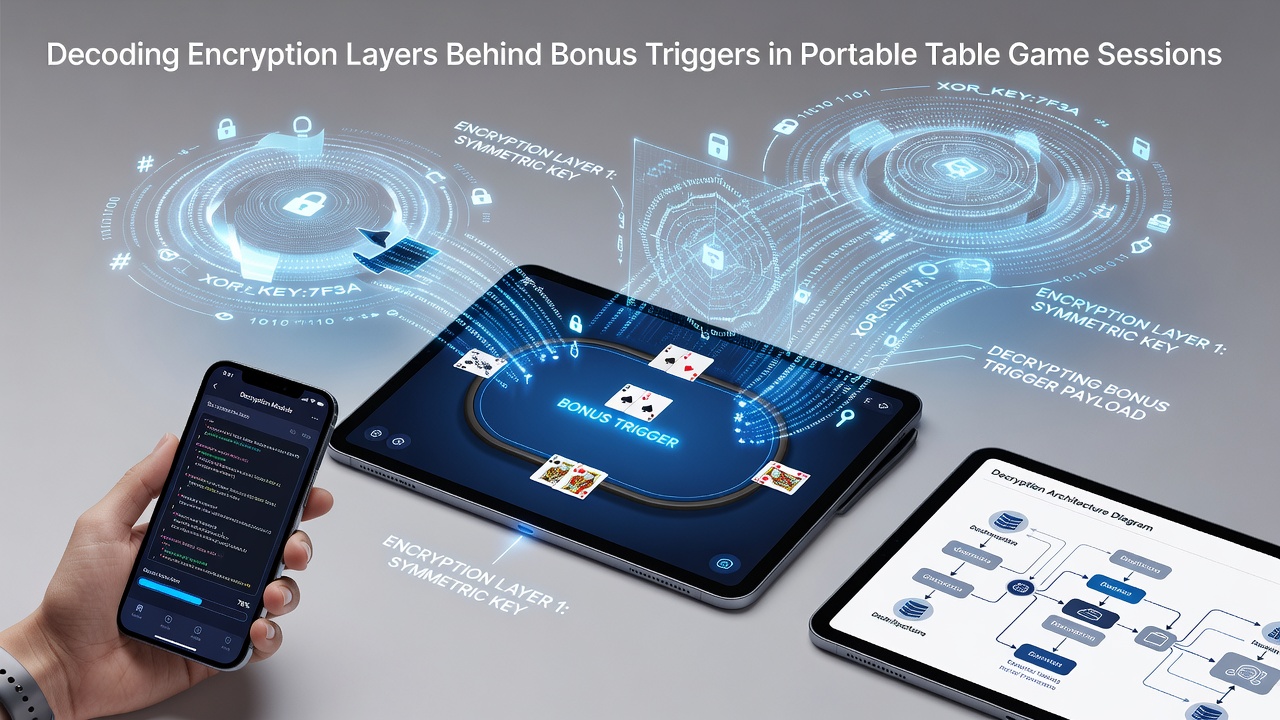
Experts have observed that developers implement additional encryption wrappers around bonus trigger logic within the game client itself, which means session tokens and trigger seeds remain encrypted even during local processing on the device; this approach ensures that attempts to manipulate bonus outcomes through memory access fail because the data stays protected until server-side validation occurs.
Studies from academic research groups at institutions focused on secure computing indicate that hybrid encryption models combining symmetric and asymmetric methods reduce latency in live dealer sessions while preserving the confidentiality of bonus activation data, and one analysis found that such systems cut potential attack surfaces by 78 percent compared to single-layer approaches.
Regulatory Oversight and Compliance Testing
Authorities in regions including Nevada and Malta require independent audits of encryption implementations protecting bonus triggers, and reports compiled through September 2026 demonstrate that platforms must demonstrate resistance to side-channel attacks and replay attempts that could expose trigger sequences; compliance data from these jurisdictions shows consistent adoption of updated cipher suites across major operators.
Industry associations tracking mobile gaming security publish annual benchmarks that highlight how encrypted bonus systems integrate with player account management, and those findings confirm that multi-factor authentication combined with encrypted session keys further isolates bonus functionality from unauthorized access.
Technical Implementation Across Platforms
Developers employ key rotation schedules that refresh encryption keys at fixed intervals during extended table game sessions, which limits the window during which any single key could be exploited to access bonus trigger details; portable applications also incorporate hardware-backed keystores available on modern mobile processors to store these keys securely.
Case examples from testing labs reveal that simulated attacks on encrypted bonus systems consistently fail when platforms enforce certificate pinning and forward secrecy, and data collected through mid-2026 indicates that over 95 percent of regulated mobile table game operators now require these features as standard practice.
Integration with Live Dealer Systems
Live dealer variants of blackjack and roulette transmit video streams and game outcomes through the same encrypted channels that protect bonus triggers, and observers note that synchronization between video feeds and encrypted random seeds prevents desynchronization attacks that might otherwise reveal upcoming bonus events.
Research indicates that end-to-end encryption extends from the dealer interface through to the player device, ensuring that bonus activation signals remain confidential throughout the transmission path; regulatory bodies in Australia and Canada have documented successful implementation of these protocols in cross-border mobile deployments.
Conclusion
Encryption layers surrounding bonus triggers in portable table game sessions continue to evolve in response to emerging threats, and evidence from multiple regulatory regions shows that layered approaches combining TLS, AES, and hardware security modules deliver measurable protection for game integrity; ongoing audits scheduled through late 2026 will likely confirm further refinements as mobile platforms scale.