Interconnections between Verified Transaction Systems and Progressive Jackpot Releases in Wireless Live Dealer Blackjack Sessions
Devon Klein · Nov 12, 2026
Interconnections between Verified Transaction Systems and Progressive Jackpot Releases in Wireless Live Dealer Blackjack Sessions
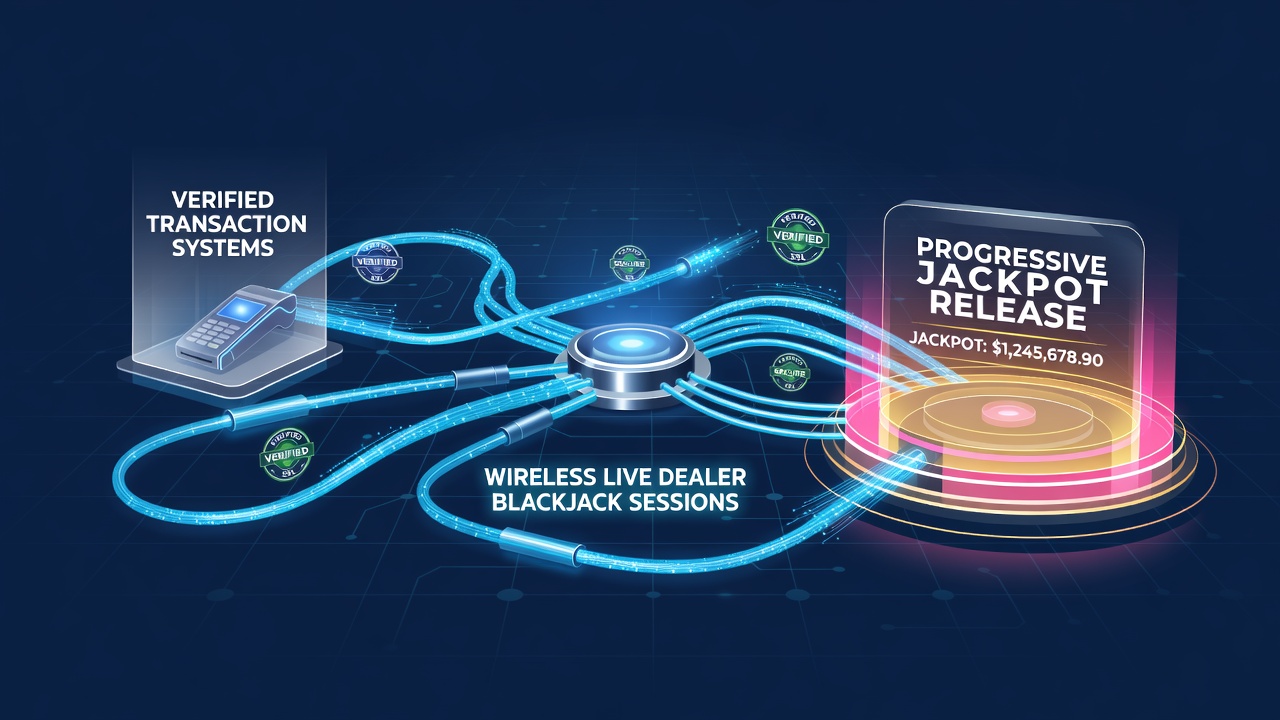
Verified transaction systems form the backbone of progressive jackpot releases during wireless live dealer blackjack sessions, where encrypted payment pathways must confirm each wager before any contribution reaches the shared prize pool. These systems process player deposits and bets through multiple authentication layers that include tokenization, biometric checks, and real-time ledger updates, ensuring that only validated funds enter the jackpot calculation. Data from regulatory reports show that transaction verification occurs in under three seconds on most mobile platforms, which directly influences when a progressive jackpot can trigger during a live hand.
Core Components of Verified Transaction Systems
Wireless networks transmit live dealer blackjack streams alongside payment confirmations, so operators integrate secure sockets layer protocols with payment gateways to maintain uninterrupted verification. Researchers at institutions studying gaming technology have documented how blockchain-based ledgers record every bet increment to the progressive pool, creating an immutable trail that links each transaction to potential jackpot eligibility. In November 2026 several North American platforms reported expanded adoption of multi-factor authentication that combines device fingerprinting with one-time passcodes, reducing verification errors that previously delayed jackpot contributions.
Mechanics of Progressive Jackpot Releases
Progressive jackpots in live dealer blackjack accumulate from a small percentage of each verified bet, yet release only after the system confirms the transaction meets all criteria for pool participation. The release mechanism activates when a random number generator, seeded by verified transaction timestamps, aligns with a predefined threshold during the hand resolution phase. Observers note that wireless latency under 150 milliseconds allows the jackpot engine to poll the transaction database continuously, which prevents premature or missed triggers during fast-paced sessions.
Integration Points in Wireless Environments
Live dealer blackjack sessions conducted over 5G and Wi-Fi networks require transaction systems to synchronize with video feeds and betting interfaces so jackpot eligibility updates appear instantly on player screens. Experts have observed that application programming interfaces connect the payment processor directly to the progressive server, allowing the system to flag a bet as qualified within the same data packet that confirms the wager. Case studies from European operators reveal that when transaction verification fails mid-hand, the platform automatically excludes that bet from the jackpot pool and logs the event for compliance review.

Data Pathways and Security Protocols
Encrypted channels carry both the live video stream and the transaction payload, while separate verification servers cross-check the payment status before the jackpot engine includes the bet amount. According to findings published by the Canadian Gaming Association, platforms that route transactions through geographically distributed nodes experience fewer interruptions in jackpot calculations during peak wireless usage. Those who manage these systems emphasize that audit logs must capture every verification step because regulators require proof that progressive releases occurred only after full transaction confirmation.
Regulatory Oversight and Reporting Standards
Gaming authorities in multiple jurisdictions mandate that operators demonstrate clear interconnections between verified payments and jackpot releases through regular system audits. Reports from the Nevada Gaming Control Board indicate that wireless platforms must maintain redundant verification pathways to handle network fluctuations without losing jackpot contributions. Industry associations further require that any jackpot payout exceeding a certain threshold triggers an automatic review of the preceding transaction chain to confirm all bets were properly validated.
Technical Challenges and Operational Responses
Packet loss on wireless connections can interrupt transaction verification, which in turn pauses progressive pool updates until the connection stabilizes. Operators address this by implementing buffer systems that hold pending bets in a verified state until the network resumes full data exchange. Studies from research groups focused on mobile gaming infrastructure show that platforms using edge computing nodes reduce verification delays by processing transactions closer to the player device, thereby keeping jackpot meters current during live sessions.
Conclusion
The interconnections between verified transaction systems and progressive jackpot releases depend on synchronized encryption, rapid authentication, and continuous database polling that together ensure only confirmed bets contribute to and trigger shared prizes in wireless live dealer blackjack. As mobile technology advances, these linkages continue to tighten through improved protocols and distributed verification methods that maintain integrity across live dealer environments.