Uncovering the Data Pathways Linking Secure Payments to Bonus Awards in Mobile Live Dealer Games
Devon Klein · Oct 29, 2026
Uncovering the Data Pathways Linking Secure Payments to Bonus Awards in Mobile Live Dealer Games
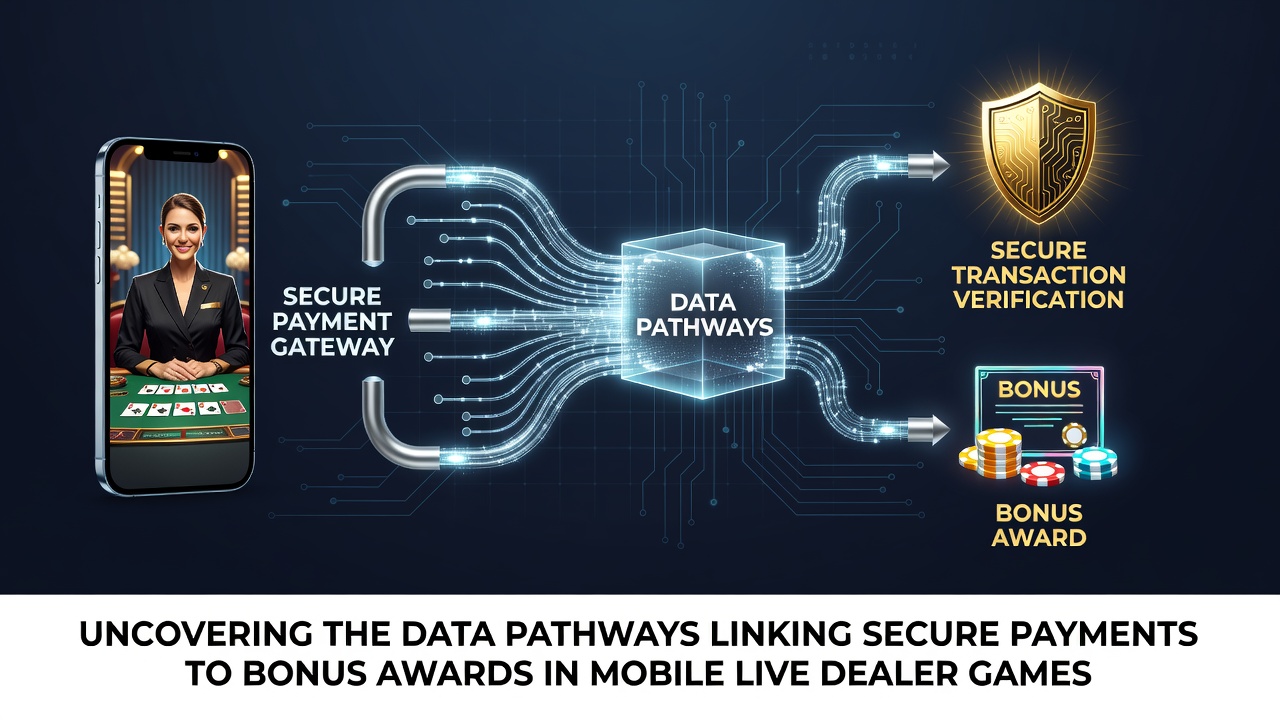
Data pathways in mobile live dealer games connect encrypted payment processing systems directly to bonus award engines through layered APIs and real-time synchronization protocols, while platforms maintain compliance with regional gaming regulations across multiple jurisdictions. Secure transactions begin with tokenization at the point of deposit where player funds move through PCI DSS certified gateways before any bonus eligibility checks activate in the backend systems.
Core Components of Payment Data Routing
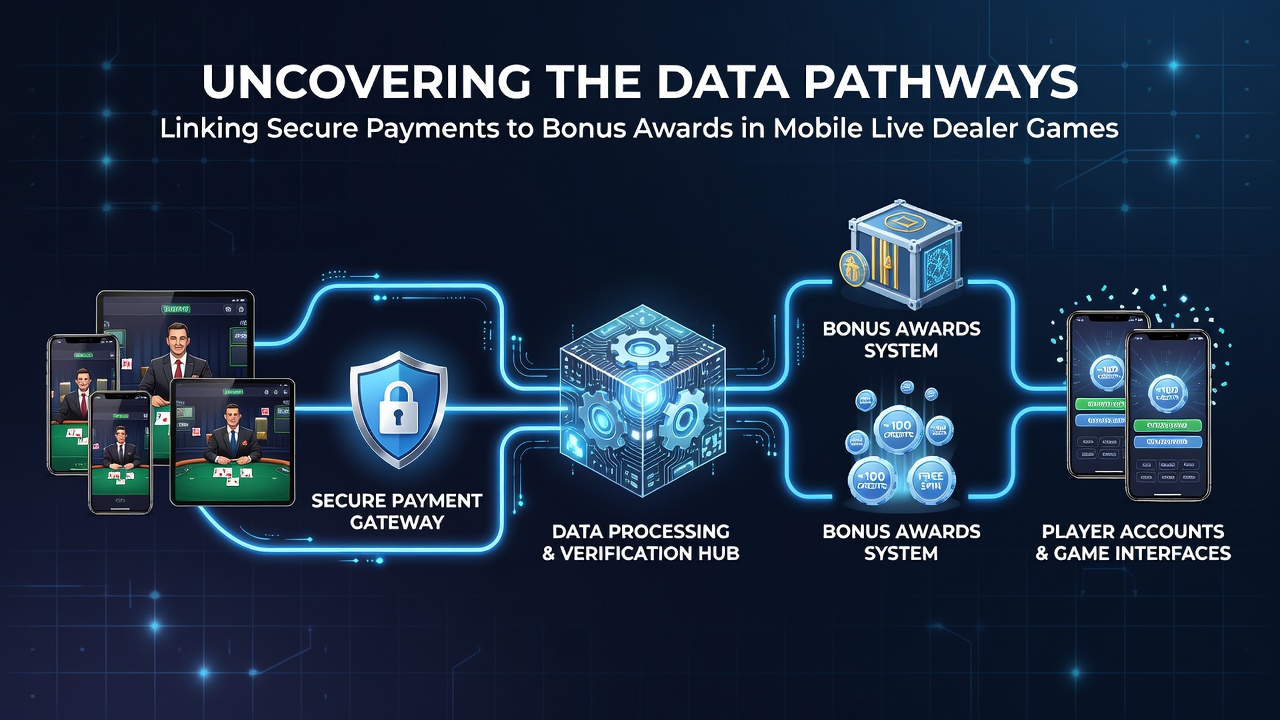
Payment gateways handle initial authorization requests from mobile applications using TLS 1.3 encryption alongside device fingerprinting that captures unique hardware identifiers and session metadata, and this information travels to central servers where algorithms evaluate deposit amounts against predefined bonus triggers for games such as live blackjack and roulette variants. Observers note that once authorization clears the system routes transaction records through dedicated middleware layers that interface with player account databases and bonus management modules simultaneously.
These middleware components parse structured data packets containing fields for transaction ID, amount, currency, and timestamp, then cross-reference them against active promotional rules stored in separate compliance databases. Research from industry reports indicates that this routing occurs within milliseconds to support seamless live dealer sessions where players expect immediate bonus credits upon qualifying deposits.
Integration with Live Dealer Platforms
Live dealer environments rely on continuous data streams from video streaming servers and game outcome generators, while payment events inject additional triggers into the same ecosystem through event-driven architectures that update player balances in real time. Developers implement webhook endpoints that notify bonus engines the moment a deposit posts successfully, and these endpoints operate over authenticated channels that prevent interception or replay attacks during transmission.
One documented case from European mobile gaming deployments showed how encrypted payload exchanges between payment processors and game servers enabled automatic bonus allocation without interrupting ongoing roulette rounds or blackjack hands. Data shows such pathways incorporate audit logs that record every step from initial card swipe or bank transfer initiation through to final bonus credit display on the player's device screen.
Security Protocols and Compliance Layers
Tokenization replaces sensitive card details with unique identifiers that travel across networks without exposing primary account numbers, and this approach aligns with standards enforced by bodies such as the Alcohol and Gaming Commission of Ontario. Additional encryption wraps the bonus trigger signals themselves so that even internal network segments maintain confidentiality during high-volume periods like those observed in October 2026 when mobile live dealer traffic increased across several North American markets.
Regional variations appear in how these pathways adapt to local rules, with Australian platforms incorporating requirements from the Australian Communications and Media Authority that mandate separate logging of payment events tied to promotional offers. Such measures ensure traceability while supporting the rapid award of bonuses in live environments where session continuity remains essential.
Real-Time Synchronization Mechanics
Synchronization between payment confirmations and bonus awards depends on message queuing systems that prioritize low-latency delivery, and these systems handle concurrent requests from thousands of mobile sessions without introducing delays that could affect live dealer pacing. Algorithms evaluate risk factors including velocity checks and geographic indicators before releasing bonus funds, which then appear as updated balances visible during active table games.
Studies of mobile platform architectures reveal that fallback mechanisms activate when primary data pathways encounter temporary disruptions, routing transactions through secondary encrypted channels until full restoration occurs. This redundancy supports consistent player experiences across varying network conditions typical in mobile environments.
Conclusion
The data pathways linking secure payments to bonus awards in mobile live dealer games operate through coordinated layers of encryption, tokenization, and event-driven APIs that maintain both security and operational speed. These systems continue to evolve with advancing regulatory expectations and technological capabilities, delivering the infrastructure that supports real-time bonus integration in live gaming sessions worldwide.